Why Some Children May Need Early Orthodontic Assessment
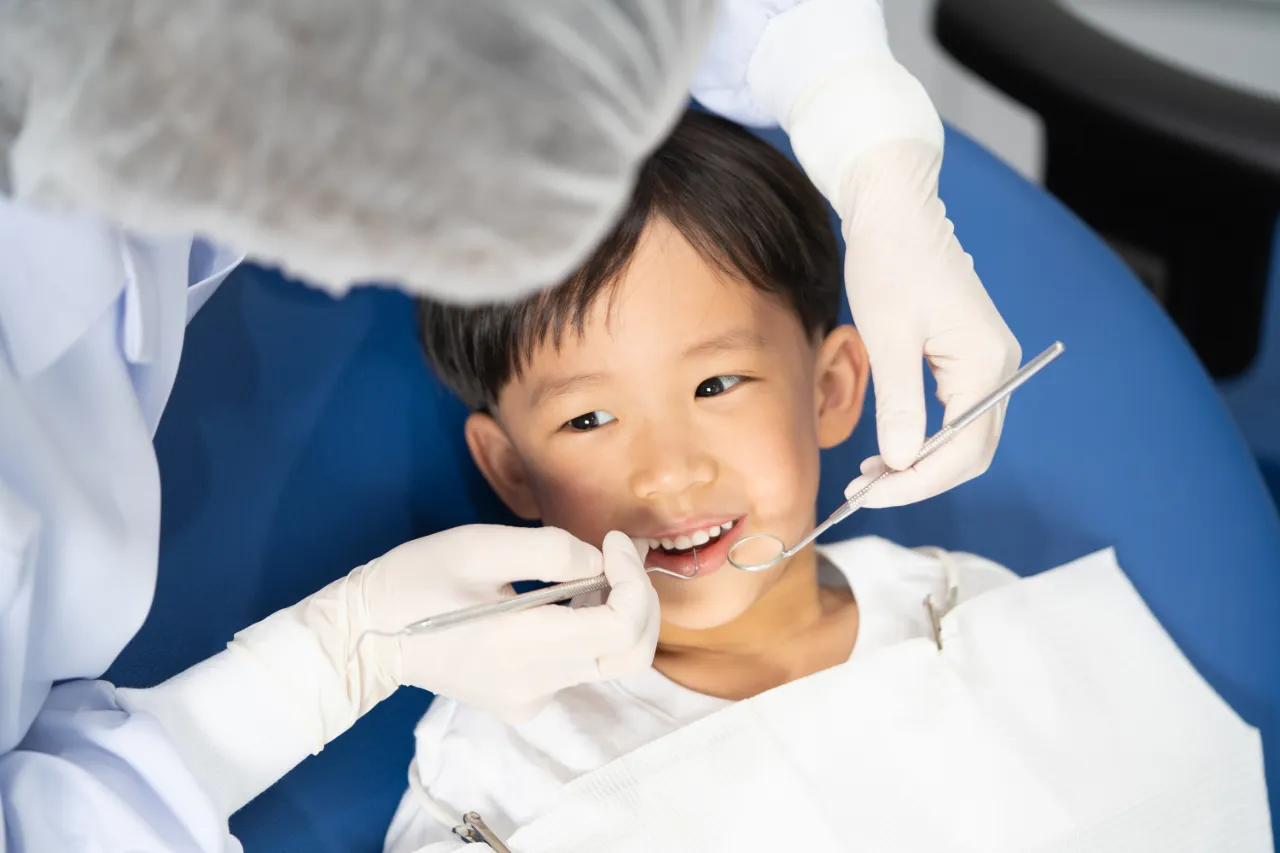
Some parents may expect orthodontic concerns to be addressed only when their child is older and more the permanent teeth have appeared. A recommendation for an earlier assessment can therefore come as a surprise.
Orthodontics, however, is not only about straightening teeth or deciding when braces are needed. An assessment can also consider how your child's bite, jaws and developing teeth are changing as they grow. Identifying certain concerns earlier can help determine whether they should be monitored or whether treatment may be beneficial at a particular stage of dental or jaw development.
Why Orthodontic Assessment May Begin Earlier
Your child's teeth, jaws and facial structures continue to change throughout childhood. While baby teeth are being replaced by permanent teeth, the jaws are growing and the way the upper and lower teeth meet is also developing.
During regular dental visits, a paediatric dentist can monitor these changes and identify signs that may warrant an orthodontic assessment. This can be useful before all the adult teeth have erupted, particularly when there are concerns about the developing bite, jaw relationship or tooth eruption.
Early assessment does not necessarily mean early treatment. For many children, it simply provides a clearer picture of how their dental development is progressing and when another review may be useful.
What Can an Early Orthodontic Assessment Identify?
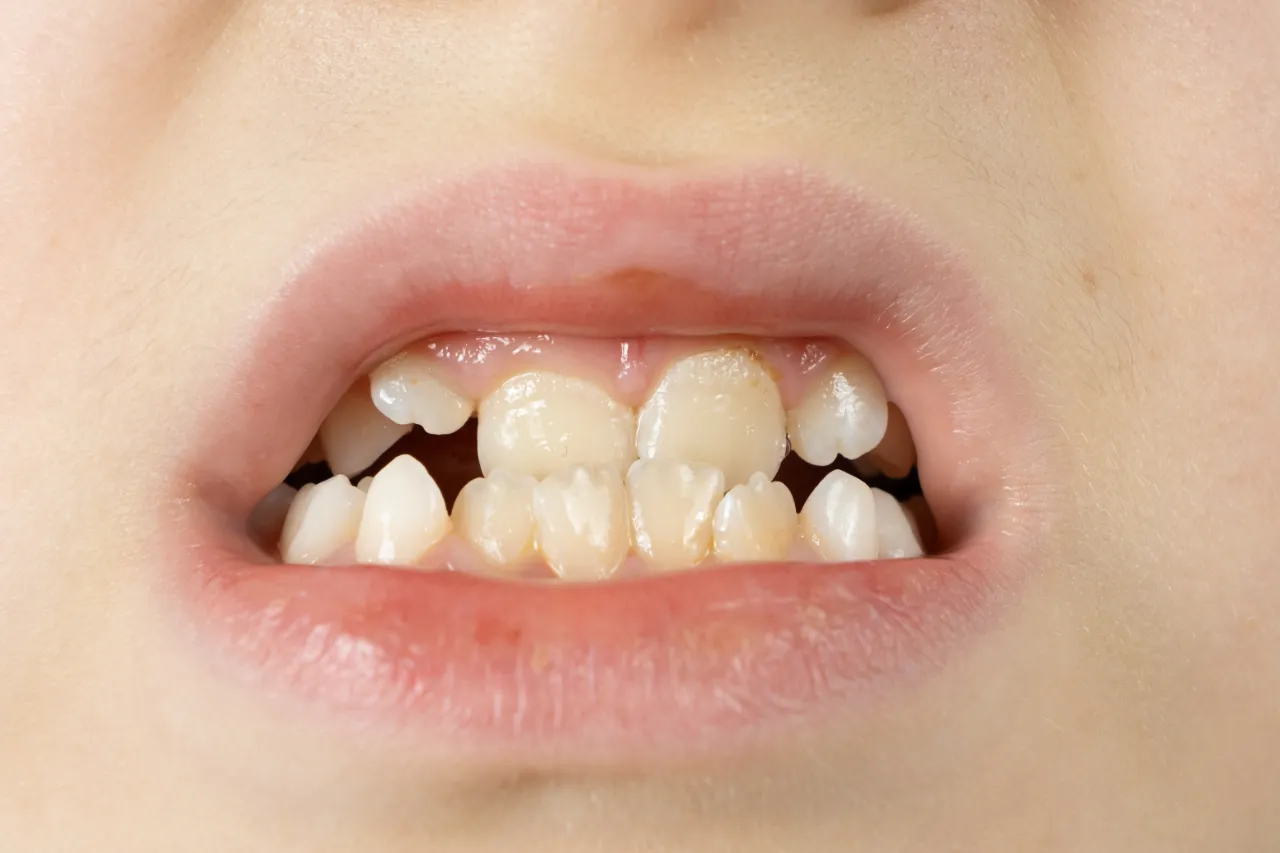
Some orthodontic concerns become apparent while your child still has a mixture of baby and permanent teeth. Looking at these changes together can help the dentist understand whether your child's teeth and jaws are developing in a balanced way.
Developing Bite Problems
A bite problem, or malocclusion, occurs when the upper and lower teeth do not meet as expected. This may include:
- Crossbite: Upper teeth bite inside the lower teeth in certain areas
- Underbite: The lower front teeth sit in front of the upper front teeth when the teeth are brought together
- Deep bite: The upper front teeth excessively overlap the lower front teeth
- Open bite: Some upper and lower teeth do not meet when the mouth is closed
The type and severity of the bite problem, as well as your child's growth stage, can influence whether monitoring or treatment is recommended.
Jaw Growth and Alignment
The relationship between the upper and lower jaws plays an important role in your child's bite. Differences in jaw size, position or growth may become noticeable before all the permanent teeth have emerged.
An assessment can help determine whether these differences are part of normal development or whether they warrant closer observation as your child grows.
Crowding and Tooth Eruption
Permanent teeth need sufficient space to emerge into the dental arch. Crowding, unusual eruption patterns or premature or delayed loss of baby teeth can sometimes indicate that the developing permanent teeth may have limited space or may not be erupting normally.
Your child’s dentist may also assess teeth that are taking longer than expected to erupt or emerging in an unusual position. Where clinically indicated, dental X-rays may provide additional information about permanent teeth that are still beneath the gums.
What Happens During an Early Orthodontic Assessment?
The assessment begins with an examination of your child's teeth, bite and jaw relationship. The dentist may also ask about their dental history, tooth eruption and habits that could influence development.
Depending on what is found, dental X-rays or other records may be recommended to assess developing permanent teeth and structures that cannot be seen during a clinical examination.
The next step will depend on your child's individual findings. Some children may only need periodic reviews, while others may benefit from orthodontic treatment at a particular stage of dental or jaw development.
Supporting Your Child’s Dental Development at the Right Stage
Orthodontic care does not begin at the same age for every child. The timing depends on how their teeth, bite and jaws are developing, as well as whether a particular concern could benefit from monitoring or earlier management. Assessing these changes at the right stage can provide a clearer basis for planning your child's dental care as they grow.
At The Kids Dentist in Singapore, your child can receive dental care that considers how their teeth, bite and jaws are developing as they grow. The team is led by Adjunct A/Prof Rashid Tahir, a paediatric dental specialist with experience in caring for children at different stages of dental development. If you have concerns about your child’s bite or emerging teeth, schedule a consultation with the clinic for an assessment and guidance on the next steps.
FAQs About Early Orthodontic Assessment
Can a child's bite change as they grow?
Yes. Jaw growth and the eruption of permanent teeth can change how the upper and lower teeth meet over time. This is one reason a dentist may recommend monitoring rather than treatment when a child is still developing.
Will early orthodontic treatment prevent the need for braces later?
Not necessarily. Early treatment is usually intended to manage a particular developing problem rather than complete all orthodontic correction. Some children may still need braces or other orthodontic treatment later, depending on how their teeth and jaws develop.
Can losing a baby tooth too early affect permanent teeth?
It can in some cases. If a baby tooth is lost prematurely, neighbouring teeth may move into the space and potentially affect the eruption path of the permanent tooth underneath. Your child's dentist can assess whether the space needs monitoring or management.
Meet Our Paediatric Dentist in Singapore

Adjunct A/Prof Rashid Tahir
Dental Specialist in Paediatric Dentistry
BDS (Singapore), MSc with Distinction (London), FAM (Singapore)
Adjunct A/Prof Rashid Tahir is a paediatric dental specialist with decades of experience dedicated exclusively to children’s oral health since 1997. He holds a Master of Science with Distinction in Children’s Dentistry from the University of London, where he was also awarded the 3M Dental Postgraduate Prize.
In addition to his clinical work, he has held academic and leadership roles, including serving as an Assistant Professor at the National University of Singapore and founding President of the Society for Paediatric Dentistry (Singapore). He continues to contribute to the field through teaching, professional leadership and advancing paediatric dental care.