What to Do If Your Child Knocks Out a Permanent Tooth
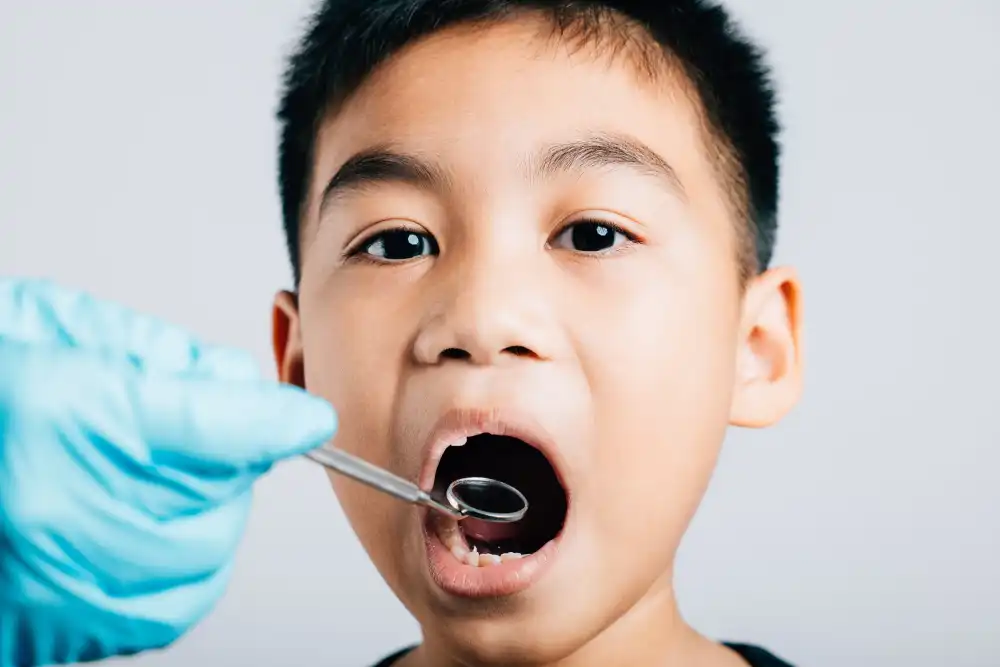
A knocked-out permanent tooth is one of the most time-sensitive dental emergencies in children. Prompt action can significantly improve the chances of preserving the natural tooth. While the situation can be distressing for both parents and children, knowing what to do in the first few minutes after the injury can improve the chances of saving the tooth while ensuring your child receives prompt dental care.
What Should You Do Immediately After Your Child Knocks Out a Permanent Tooth?
A knocked-out permanent tooth (also known as an avulsed tooth) is a dental emergency. The steps you take before reaching the dentist can significantly improve the chances of saving the tooth. The first 30 to 60 minutes after the injury are especially important, as the living cells on the root surface begin to deteriorate once the tooth is out of its socket.
-
Stay Calm and Check for Other Injuries
If your child does not have injuries requiring immediate medical attention, focus on the knocked-out tooth. If there is bleeding from the empty socket, ask them to bite gently on a clean piece of gauze or cloth to help control it.
-
Find the Tooth and Handle It Carefully
Locate the knocked-out tooth as soon as possible. Hold it only by the crown, which is the visible white part of the tooth. Avoid touching or scrubbing the root, as it contains delicate cells that are important for successful reattachment.
If the tooth is dirty, gently rinse it for a few seconds with milk or saline solution. If these are not available, clean running water may be used briefly. Do not use soap, disinfectants or chemicals, and do not scrub or dry the tooth.
-
Reinsert the Tooth If Possible
Gently place the tooth back into the socket in its correct position as soon as possible if your child is old enough to cooperate and the tooth is intact. Once the tooth is back in position, have your child bite gently on clean gauze or a folded cloth to help keep it in place while travelling to the dentist.
If you are unsure how to reinsert the tooth or your child is distressed, do not force it back into the socket.
-
Keep the Tooth Moist During Transport
If the tooth cannot be replanted immediately, store it in one of the following:
- Cold milk
- Sterile saline solution
- Inside your child's cheek, but only if they are old enough not to swallow it
Avoid storing the tooth in plain water for prolonged periods, as this may damage the cells on the root surface and reduce the likelihood of successful reimplantation.
When Should You See an Emergency Dentist?
A knocked-out permanent tooth should always be treated as a dental emergency, even if there is little pain or bleeding. Prompt assessment gives your child's dentist the best opportunity to preserve the tooth and reduce the risk of long-term complications.
-
Time Is Critical
The chances of successfully reimplanting a knocked-out permanent tooth are highest when treatment is provided within 30 to 60 minutes of the injury. As more time passes, the cells on the root surface become less viable, making it more difficult for the tooth to heal properly after reimplantation.
Even if more than an hour has passed, you should still seek emergency dental care immediately. Although successful reimplantation becomes less likely over time, your dentist can assess the injury and recommend the most appropriate treatment.
-
What Will the Emergency Dentist Do?
Your child's dentist will perform a thorough examination to assess the injury and determine the most appropriate treatment. This may include:
- Examining the knocked-out tooth and the empty socket
- Assessing nearby teeth for fractures, looseness or displacement
- Taking dental X-rays to evaluate the tooth, supporting bone and surrounding structures
- Checking for injuries to the lips, gums or other soft tissues
If the tooth is suitable for reimplantation, the dentist will carefully reposition it into the socket if it has not already been replanted. A flexible splint is then typically attached to the injured tooth and neighbouring teeth to help stabilise it during healing.
-
What If the Tooth Cannot Be Saved?
Unfortunately, not every knocked-out permanent tooth can be successfully replanted. Factors such as prolonged time outside the mouth, improper storage or extensive injury to the supporting tissues may reduce the likelihood of successful reimplantation.
If reimplantation is not possible, your dentist will discuss the next steps for replacing the missing tooth. The best option depends on factors such as your child's age, stage of jaw growth and the condition of the surrounding teeth and bone.
What Are the Treatment Options for a Child Who Has Knocked Out a Permanent Tooth?
The most appropriate treatment for a knocked-out permanent tooth depends on several factors, including how long the tooth has been out of the mouth, how it was stored, the condition of the tooth and your child's stage of dental development. After assessing the injury, your dentist will recommend the treatment that offers the best long-term outcome for your child's oral health and function.
-
Reimplantation of the Tooth
If the knocked-out tooth is suitable for reimplantation, the paediatric dentist will carefully place it back into its original socket. Whenever possible, reimplantation is the preferred treatment because preserving the natural tooth generally offers the best long-term outcome. After reimplantation, the tooth is usually stabilised with a flexible splint attached to the neighbouring teeth for approximately one to two weeks.
-
Root Canal Treatment
Depending on your child's age and the stage of root development, root canal treatment may be recommended after the tooth has been replanted. This treatment removes damaged or infected tissue from inside the tooth to reduce the risk of infection and improve the long-term prognosis.
-
Management When Reimplantation Is Not Possible
In some cases, reimplantation is not possible despite prompt assessment and treatment. If reimplantation is not possible, the paediatric dentist will discuss alternative treatment options to restore your child's appearance, speech and chewing function. Depending on your child's age and clinical needs, these may include:
- A temporary, removable replacement tooth
- A resin-bonded bridge in suitable cases
- Orthodontic treatment to manage spacing where appropriate
- A dental implant, once jaw growth has been completed, if indicated
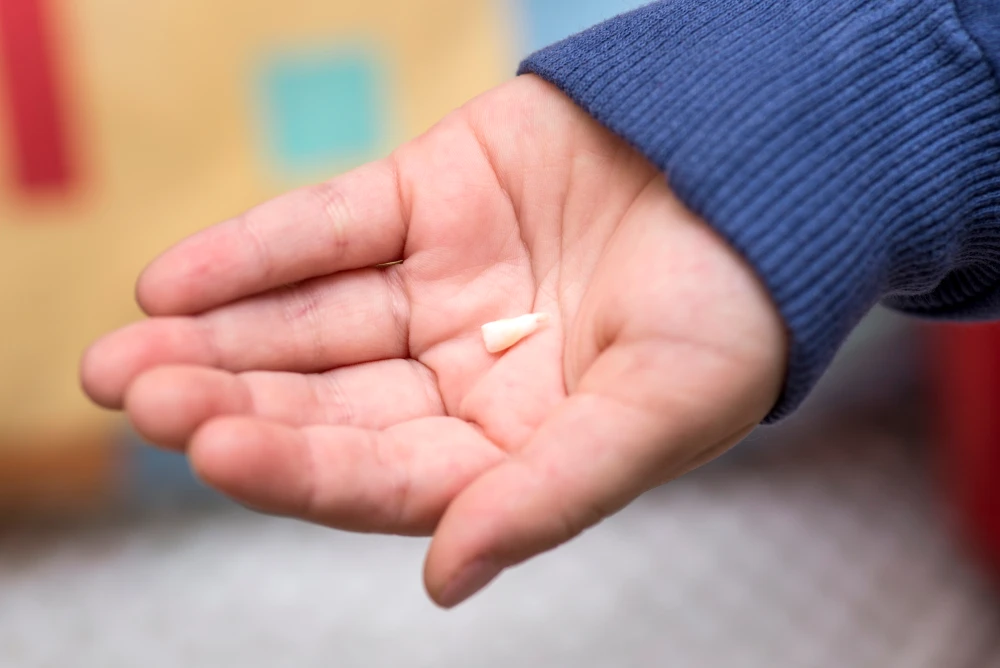
Personalised Dental Treatment with Dr Rashid Tahir
A knocked-out permanent tooth should always be assessed as soon as possible. Early treatment provides the best opportunity to preserve the natural tooth, while prompt specialist care also allows any associated injuries to be identified and managed appropriately.
At The Kids Dentist, we provide timely assessment and individualised treatment for children with dental injuries. Led by Dr Rashid Tahir, our team takes a gentle, evidence-based approach to managing dental trauma, with treatment plans tailored to your child's age, stage of dental development and individual needs.
If your child has knocked out a permanent tooth or experienced any dental injury, contact our clinic immediately.
Frequently Asked Questions (FAQs) About What Steps to Take If Your Child Knocks Out a Permanent Tooth
Will my child be able to return to school after treatment?
Most children can return to school within a day or two, depending on the extent of the injury and any discomfort they experience. Your paediatric dentist may recommend avoiding contact sports, rough play and hard foods for a period of time to protect the healing tooth. If a splint has been placed, additional care instructions will also be provided.
Could a knocked-out permanent tooth affect my child's future orthodontic treatment?
A dental injury does not necessarily prevent future orthodontic treatment, but it may influence the timing or type of treatment recommended. Your dentist will monitor the injured tooth over time and, if braces are needed later, will work closely with an orthodontist to ensure tooth movement can be carried out safely.
Can a knocked-out permanent tooth become discoloured after it has been replanted?
In some cases, a replanted tooth may gradually darken due to changes within the dental pulp following the injury. Discolouration does not always mean the tooth has failed, but it should be assessed by your paediatric dentist. Depending on the underlying cause, treatment options such as root canal therapy or internal whitening may be considered.
What if I cannot find the knocked-out tooth?
If the tooth cannot be found, seek emergency dental care as soon as possible. Your dentist will examine the area and may take X-rays to determine whether the tooth has been completely knocked out, pushed into the jaw or, in rare cases, inhaled or swallowed.
Meet Our Paediatric Dentist in Singapore

Adjunct A/Prof Rashid Tahir
Dental Specialist in Paediatric Dentistry
BDS (Singapore), MSc with Distinction (London), FAM (Singapore)
Adjunct A/Prof Rashid Tahir is a paediatric dental specialist with decades of experience dedicated exclusively to children’s oral health since 1997. He holds a Master of Science with Distinction in Children’s Dentistry from the University of London, where he was also awarded the 3M Dental Postgraduate Prize.
In addition to his clinical work, he has held academic and leadership roles, including serving as an Assistant Professor at the National University of Singapore and founding President of the Society for Paediatric Dentistry (Singapore). He continues to contribute to the field through teaching, professional leadership and advancing paediatric dental care.